
SIMM
Sciences Interdepartmental Multidisciplinary Meeting
The Ray P. Authement College of Sciences is pleased to host The Sciences Interdepartmental Multidisciplinary Meeting (SIMM). This seminar series is designed to foster interaction among faculty and students within the academic units of the college. Interested parties from outside the college are encouraged to participate as well. Please join us and learn what your colleagues in other units are up to and how you might profitably interact with them.
Spring 2025
The many events in celebration of the fiftieth anniversary of the founding of the Ray P. Authement College of Sciences have prevented normal SIMM presentations this semester. However, we do have a very sepecial guest lecture scheduled for April.
Special Anniversary Lecture - April 2025
Celestial Seedlings: Plant Life in the Final Frontier
John Z. Kiss
Professor, Provost, and Senior VP for Academic Affairs
Florida Institute of Technology
4:00
14 April 2025
Oliver Hall auditorium (room 112)
Reception to follow
Due to space limitations this event is by invitation only.
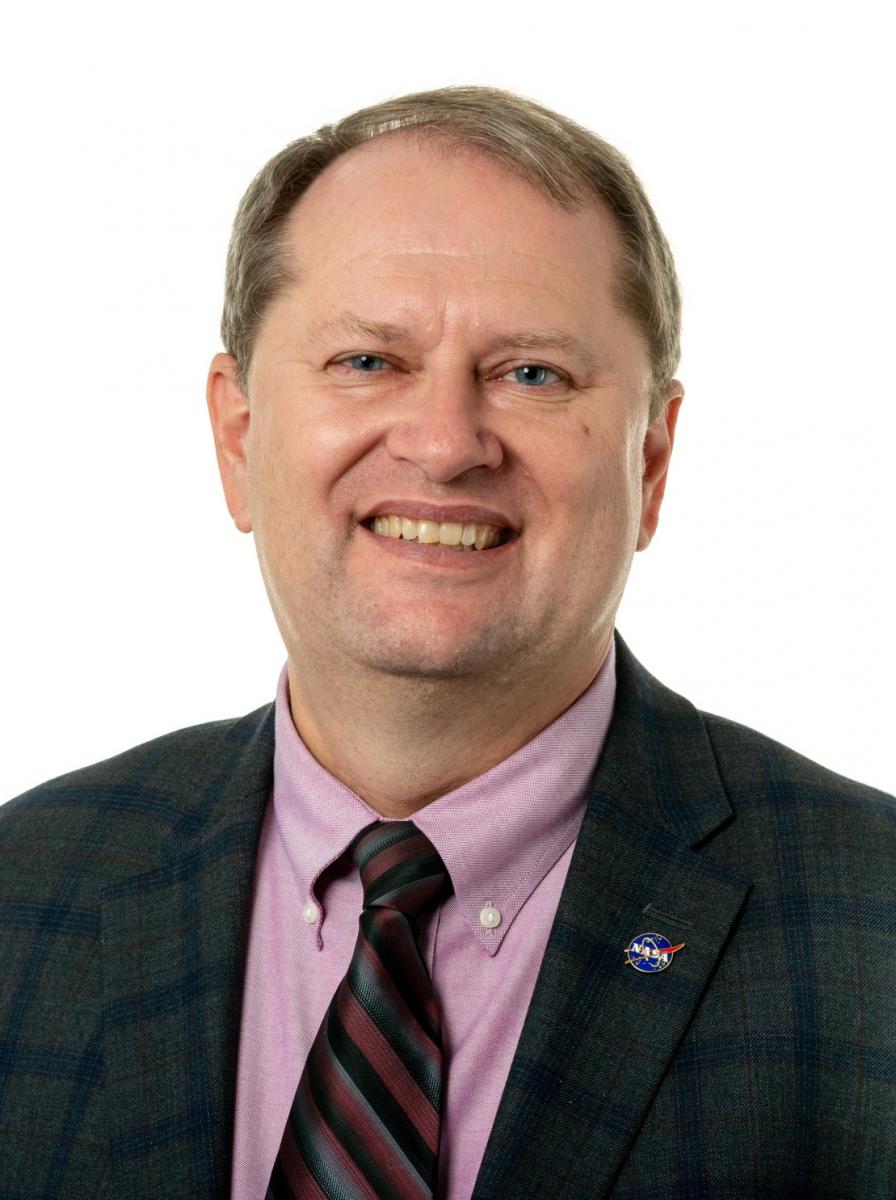
As we begin to draw the curtain on our celebration of the fiftieth anniversary of the founding of the Ray P. Authement College of Sciences, we are pleased to host a special lecture by Dr. John Z. Kiss. Dr. John Z. Kiss, L3 Endowed Professor, Provost, and Senior Vice President for Academic Affairs at the Florida Institute of Technology, will speak on Celestial Seedlings: Plant Life in the Final Frontier. The lecture which is scheduled for 4:00 on Monday 14 April 2025 in the Oliver Hall auditorium (room 112) will be followed by a reception in the Oliver Hall lobby.
John Z. Kiss is a plant space biologist. He has served as a Principal Investigator on eight spaceflight projects that have involved NASA as well as the European Space Agency and Roscosmos. His recent research focuses on how gravity and light responses influence each other in plants in order to better understand the cellular signaling mechanisms involved in plant tropisms—directed plant movements in response to external stimuli. His group also is interested in the role of red light as an environmental cue capable of counteracting the adverse effects of the lack of a gravity vector during spaceflight on plant growth and development. Learning how plants adapt to weightlessness and low-gravity environments is important for determining the ability of vegetation to provide a complete, sustainable, dependable and economical means for human life support in space. The ability of plants to provide a source of food and to recycle carbon dioxide into breathable oxygen may prove critical for astronauts who will live in space for months at a time. In addition, in the long term, this new knowledge of how plants grow and develop at a molecular level should lead to significant advances in agriculture on Earth.
Due to space limitations this event is by invitation only. However, if you are a college alumna or alumnus and have not received an invitation please contact us at sciences@louisiana.edu.
Fall 2024
SIMM - November 2024
Studying Carbon Cycling and Biodiversity in Coastal Ecosystems from Space
Bingqing Liu
School of Geosciences
UL Lafayette
3:30 - 5:00
12 November 2024
Oliver Hall auditorium (room 112)
Abstract
The bio-geo-optically complex and spatio-temporally dynamic nature of coastal systems play a pivotal role in the global carbon cycle. This introduces substantial uncertainties in quantifying whether coastal oceans act as net sinks or sources of atmospheric carbon-based greenhouse gases. With the ability to measure various properties of land and ocean surfaces at high spatial, temporal, and spectral resolutions, remote sensing serves as a powerful tool to provide key information for a global and sustained monitoring of coastal carbon ecosystems. It plays a crucial role in examining primary producers, such as phytoplankton assemblages, and blue carbon habitats, seagrass meadows, which are significant in sequestering carbon in the aquatic realm. Nevertheless, the intrinsic complexity of coastal ocean systems presents considerable challenges to remote sensing, necessitating the development of sophisticated algorithms to fully harness its potential. In this presentation, I will share my recent advancements in remote sensing algorithms for coastal waters, and their applications in studying crucial aspects of the coastal carbon cycle within the global carbon budget. This includes phytoplankton community dynamics, dissolved organic carbon concentration and fluxes, and the role of seagrass as a natural solution in mitigating climate change.
About the speaker
Bingqing Liu, PhD, is an Assistant Professor in our School of Geosciences. Her research navigates the realms of satellite oceanography and marine optics to study the intricacies of the coastal carbon cycle, the biodiversity of aquatic ecosystems, (e.g., phytoplankton and seagrass) and their responses to meteorological/climatic changes and anthropogenic stressors. Prior to her current role at UL Lafayette, she served as the Deputy Director for the RESTORE Act Center of Excellence for Louisiana (LA-COE), a position she assumed after earning her PhD in Oceanography and Coastal Sciences from Louisiana State University.
Spring 2024
SIMM - February 2024
Mathematical modeling as a tool for studying the invasion and establishment of ticks and tick-borne pathogens
Amy Veprauskas
Department of Mathematics
UL Lafayette
3:30 - 5:00
20 February 2024
Oliver Hall auditorium (room 112)
Abstract
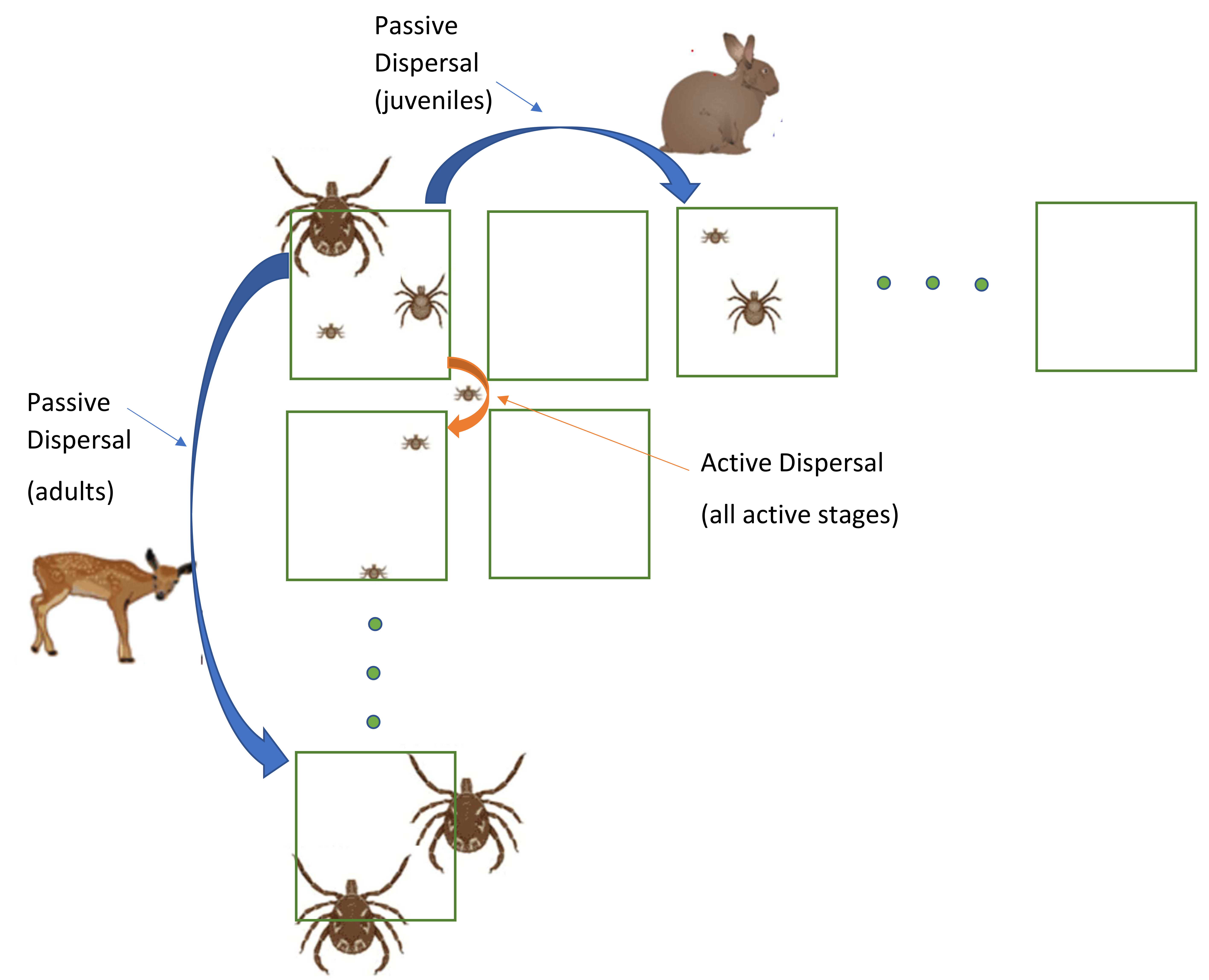
Worldwide, ticks are one of the most important vectors of human diseases. In recent decades, geographical expansions of tick populations have increased dramatically, leading to a concurrent increase in the incidence of tick-borne diseases. Understanding the complexities involved in the emergence and establishment of new tick populations and their associated pathogens is crucial for mitigating the impacts of these emerging disease threats. In this talk, we use mathematical models for three-host hard ticks to explore invasion and establishment patterns of ticks and tick-borne pathogens. These models incorporate the dependence of the tick lifecycle, disease transmission, and tick movement on host availability. We first present a tick-host-pathogen model to describe the spread of a disease in a hard tick species. We apply the model to two pathogens and numerically study metrics that describe pathogen invasion and establishment, namely the basic reproduction number, the disease prevalence, and the time to disease establishment. Using Monte Carlo simulations, we calculate the means of each of these disease metrics and their elasticities with respect to various model parameters. We find that invasion and establishment of a pathogen may be sensitive to different life cycle and transmission mechanisms. We then consider a spatially explicit model describing tick movement over a landscape. For this model we use both mathematical analysis and numerical simulations to understand spatial invasion patterns of ticks.
About the speaker
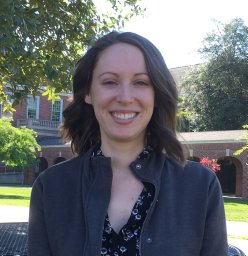
Amy Veprauskas, PhD, joined the Department of Mathematics at the University of Louisiana at Lafayette as an assistant professor in August 2018. She received her PhD in Applied Mathematics in 2016 from the University of Arizona and her MA/BA in Mathematics from Bryn Mawr College in 2010. She is originally from New Hampshire.
Dr. Veprauskas' research area is mathematical biology. She utilizes mathematical models to examine how population and evolutionary dynamics are impacted by properties of the environment or intrinsic properties of the population, such as environmental toxicants and population structure. These models can be used to address questions such as: How does variation in individuals at different development stages impact population dynamics? How may evolutionary changes in a population alter long-term population trends? How long will it take for a population to recover from a disturbance? And, what are the best management strategies for controlling a pest population? Applications of her research have included examining how cannibalism may contribute to reproductive synchrony in a gull population and studying how the interaction of multiple control mechanisms may impact the suppression of a pest species.
SIMM - April 2024
“I compute, therefore I think”: How AI Began
Subrata Dasgupta
School of Computing and Informatics
UL Lafayette
3:30 - 5:00
9 April 2024
Oliver Hall auditorium (room 112)
Abstract
For better or for worse, humanity is in the throes of a new industrial revolution fueled by a technology called ‘artificial intelligence’ (AI). But long before this came about, long before venture capitalists and entrepreneurs entered the scene, before the term ‘artificial intelligence’ was ever coined, a tiny handful of mathematicians, psychologists, engineers and logicians from both sides of the Atlantic, dared to proclaim, in Cartesian style, “I compute, therefore I think”. My talk will pay homage to these scientific begetters of AI.
About the speaker
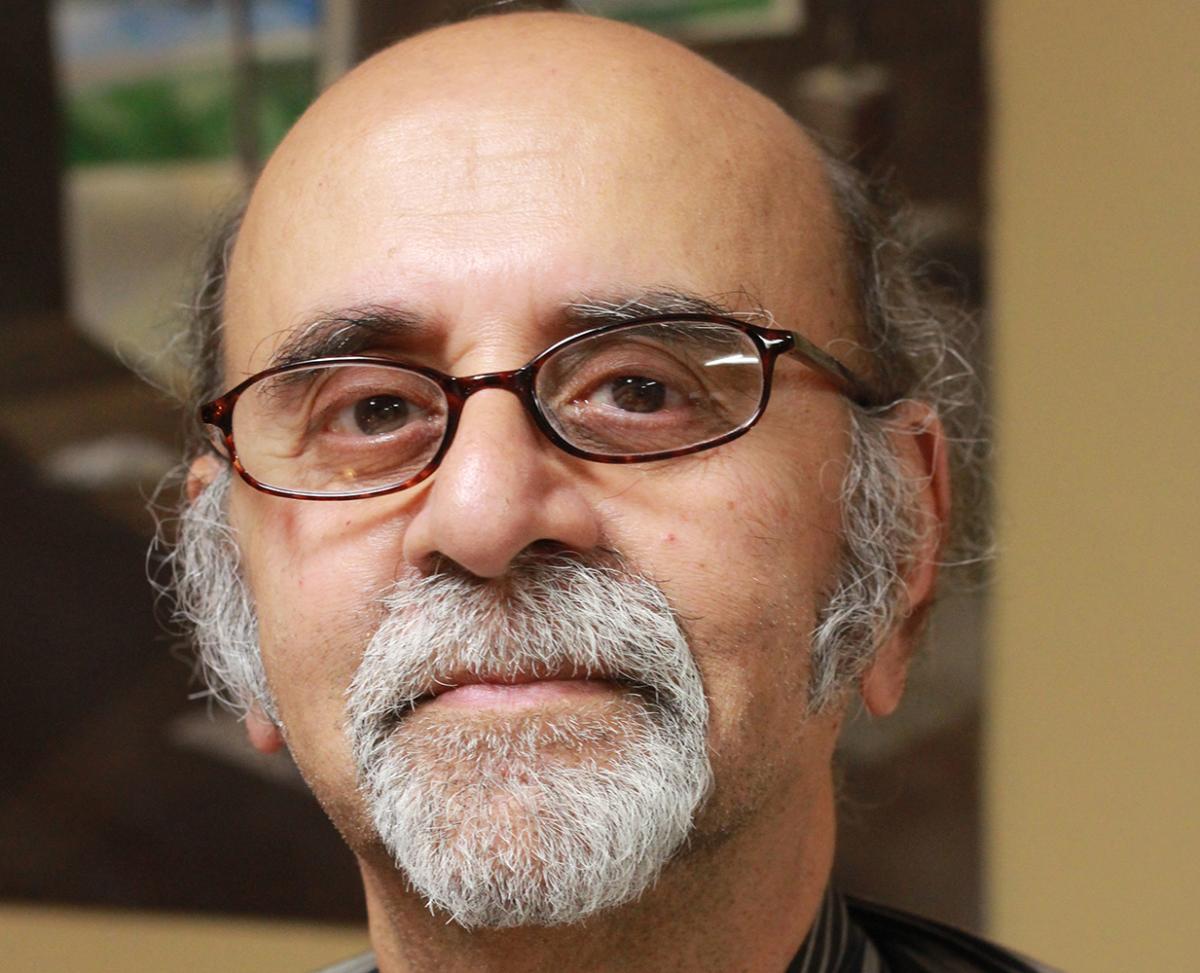
Subrata Dasgupta, Professor Emeritus in our Center for Advanced Computer Studies, is a bi-cultural multidisciplinary scholar, scientist, and writer. A native of Calcutta, he was educated in England, India, and Canada. Dasgupta has been at UL Lafayette since 1982, was a founding faculty of the Center for Advanced Computer Studies in 1984. From 1993 to 2018 he held the Computer Science Trust Fund Eminent Scholar Chair. He has also taught at Ohio State University, the University of Alberta and the University of Manchester Institute of Science and Technology. From 1999 to 2013 was the director of the Institute of Cognitive Science at UL Lafayette. From 1974 to 1991, Dasgupta's research spanned such branches of computer science as computer architecture, microprogramming, hardware description languages, program verification, and design theory. For the past quarter century, his focus has been on the historical and cognitive nature of creativity, especially in science, engineering and technology, art, design, and intellectual/cultural movements.
In addition to some 75 papers and articles, he is the author of nineteen books including, most recently, A Cognitive Historical Approach to Creativity (Routledge 2019) and The Renaissance Considered as a Creative Phenomenon (Routledge 2022).
He is also the author of three novels and a memoir called Salaam Stanley Matthews (Granta 2006). He and his work have featured in periodicals and newspapers in Britain, India, Canada and Spain, on BBC radio and television, and a number of online podcasts. Dasgupta received the UL Foundation Distinguished Professor Award in 1989. He was the recipient of the Phi Kappa Phi South Central Regional Scholar Award (2002) and the Albert Nelson Marquis Lifetime Achievement Award from the Marquis Who's Who Publications Board (2017).
Fall 2023
SIMM - October 2023
Special guest speaker in celebration of the UL Lafayette 125th anniversary
Looking for Fossils of the Big Bang in the Lab
Nobel Laureate Eric Cornell
The Cornell Group
JILA
University of Colorado Boulder and NIST
3:30 - 5:00
24 October 2023
Oliver Hall auditorium (room 112)
Reception to follow
Abstract
How can you learn about the early moments of the universe? How can you discover evidence for new sub-atomic particles? We usually think of ever-more exotic telescopes, or of ever-larger particle accelerators. I will talk about a third option which is analogous to fossil hunting. We will see that a deeper look into the humble electron today might shed light on a mystery from 14 billion years ago.
About the speaker
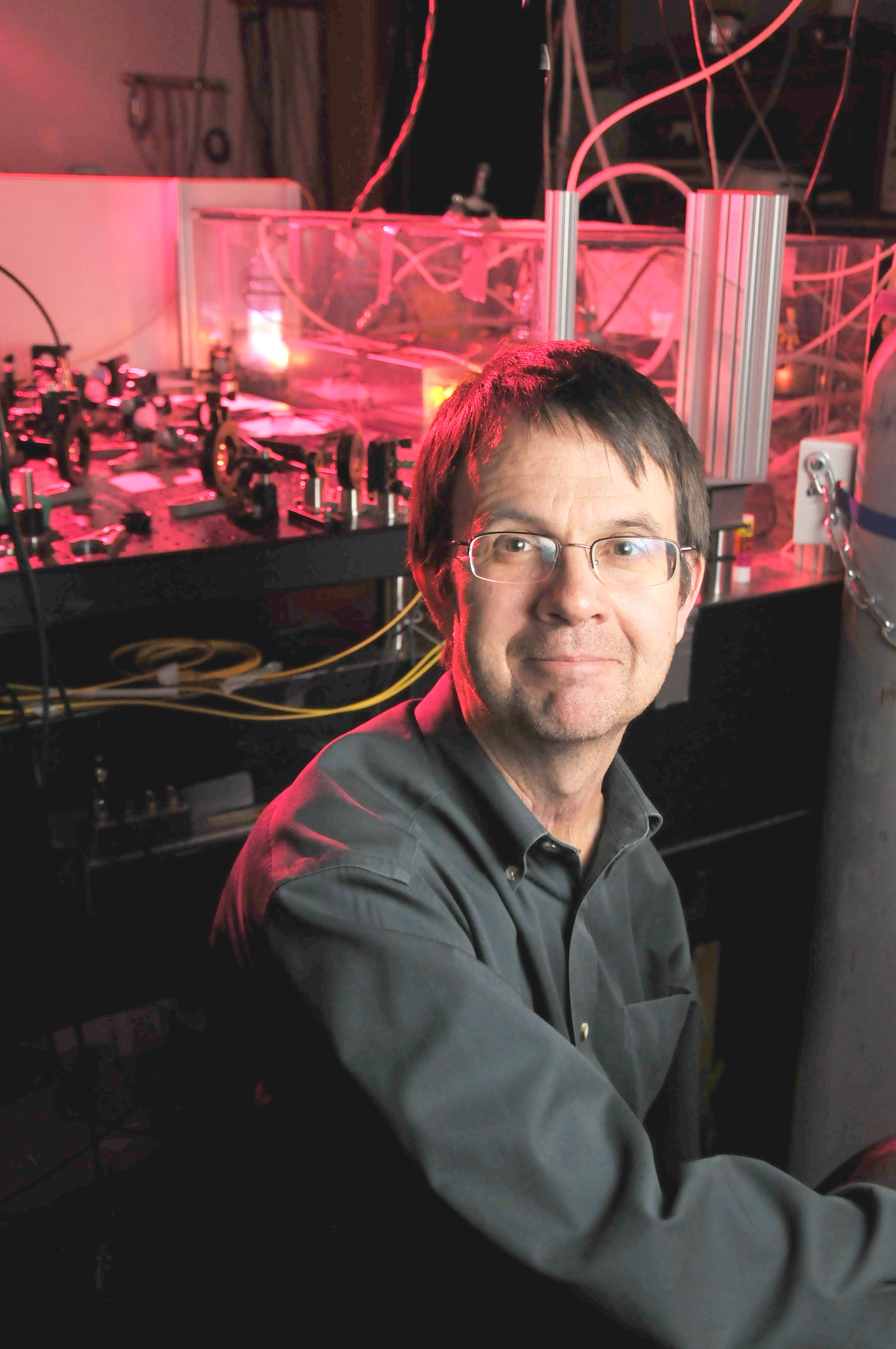
Eric Cornell is one of a group of three researchers who received the Nobel Prize in Physics in 2001.
Please visit this Nobel Prize page to read an extensive bibliography about Eric Cornell.
SIMM - November 2023
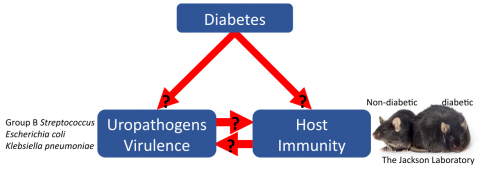
How does diabetes increase susceptibility to urinary tract infections?
Ritwij Kulkarni
Department of Biology
UL Lafayette
3:30 - 5:00
7 November 2023
Oliver Hall auditorium (room 112)
Abstract
Diabetic individuals are highly susceptible to bacterial urinary tract infections (UTI's). This is a public health concern due to the high prevalence of diabetes globally and because diabetes increases the risk of developing multidrug-resistant UTI's. Historically, alterations in the immune defenses of a diabetic host and rapid bacterial growth in glycosuria are thought to increase the incidence of UTI in the diabetic host, although three important knowledge gaps exist: (1) the effects of the diabetic urinary tract on the physiology of bacterial pathogens are undefined, (2) the changes in the immune defenses of a diabetic host are not fully deciphered, and (3) the immunological differences between male and female diabetic UTI's are unknown. To fill these knowledge gaps, we examined virulence and gene expression in uropathogenic bacteria after in vitro exposure to glycosuria (human urine + glucose, to mimic glycosuria) and studied UTI in obese diabetic mice and lean, non-diabetic littermates. Our results indicate that exposure to glycosuria increases the virulence of uropathogenic bacteria, diabetic mice are more susceptible to bacterial UTI, and that diabetic male mice readily develop severe kidney infections.
About the speaker
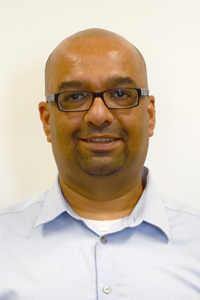
Ritwij Kulkarni, PhD joined the Department of Biology at the University of Louisiana at Lafayette as an assistant professor in August 2016. He received his PhD in Molecular Genetics and Microbiology in 2007 from Stony Brook University (the State University of New York at Stony Brook) under the mentorship of Dr. David Thanassi. The focus of his doctoral dissertation was identification and characterization of novel virulence factors in uropathogenic Escherichia coli, an important pathogen causing urinary tract infections in humans. After receiving his PhD, Dr. Kulkarni completed post-doctoral training in the laboratory of Dr. Adam Ratner at the Department of Pediatrics at Columbia University. The focus of his postdoctoral research was to understand the effects of cigarette smoke exposure on the respiratory tract immune defense as well as on the pathogenic bacterial colonizing the airways.
To answer "how does environment shape interactions between mucosal immunity and bacterial virulence?" the Kulkarni lab at UL Lafayette is pursuing two broad research themes: (1) examining host-pathogen interactions shaped by the diabetic and non-diabetic urinary tracts and (2) understanding the pathophysiology of bacterial pneumonia in respiratory microenvironment shaped by cigarette smoking and vaping. Since 2016, 7 graduate students (4 PhD and 3 MS) have successfully defended their dissertations and theses under Dr. Kulkarni’s mentorship. Currently, 3 graduate students (2 PhD and 1 MS) are working on various research projects the Kulkarni lab. In addition, Dr. Kulkarni has advised 15 undergraduate research projects and credited their contributions in peer-reviewed publications. Currently, 4 undergraduate students are working in the lab.
Spring 2023
SIMM and Herman Hughes Lecture - March 2023
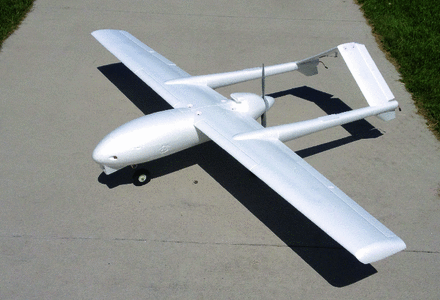
NextGen UAVs: Challenges and Opportunities
Dr. Kimon P. Valavanis,
John Evans Professor
D. F. Ritchie School of Engineering and Computer Science
University of Denver, Denver, Colorado
3:30 - 4:30
14 March 2023
Oliver Hall auditorium (room 112)
4:30 - 5:15
Reception -- meet and greet Dr. Valavanis
Oliver Hall Lobby
Abstract
Unmanned Aerial Vehicles (UAVs) or Unmanned Aircraft Systems (UAS) are generally highly complex nonlinear systems. When considering NextGen UAVs/UAS, which include hybrid and reconfigurable designs, morphing wing designs, and Circulation Control Wing (CCW) based designs, such systems are also time-varying systems. Modeling and controller design for such systems, which are also subjected to unstructured uncertainties, goes beyond known conventional techniques. Reconfiguration, morphism, and CCWs introduce changes in the aerodynamic coefficients that are difficult to determine using strict mathematical formulas. Systematic approaches are required for (the non-constant value) parameter identification, followed by controller designs that are based on a family of admissible models and not on an a-priori-defined nominal model.
This lecture considers a NextGen CCW-based fixed-wing aircraft, called UC2AV, and introduces a comprehensive approach to modeling, identification, and controller design. The proposed controller is a novel, robust nonlinear controller for the longitudinal/lateral flight dynamics of the UC2AV, consisting of a dynamic inversion inner-loop and a μ-synthesis outer-loop controller. Results demonstrate the efficacy of the proposed modeling and control schemes and the ability of the UC2AV to adapt to challenging CC-on-demand scenarios. The proposed controller design may be generalized and applied to a family of nonlinear systems with unstructured uncertainties and time-varying parameters, going beyond addressing uncertainty challenges regarding the aircraft’s aerodynamic coefficients.
Then, multi-rotor UAVs are considered, and modeling challenges are tackled to account for a plethora of disturbances that may affect performance. A benchmark framework is derived for controller implementation and comparison via simulations, simulated experiments, and actual flight tests.
About the speaker
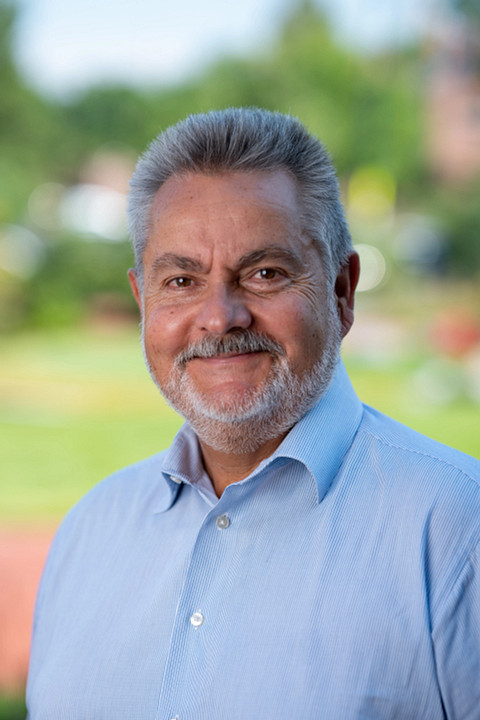
Dr. Kimon P. Valavanis is John Evans Professor, Department of Electrical and Computer Engineering, Daniel Felix Ritchie School of Engineering and Computer Science, University of Denver. He is a Guest Professor in the Faculty of Electrical Engineering and Computing, University of Zagreb, Croatia. He held Visiting Appointments at Politecnico di Torino, Dipartimento di Ingegneria Meccanica e Aerospaziale, DIMEAS, and he was Professeur Invité, Université de Lorraine - Polytech Nancy, in France.
Dr. Valavanis' research interests span Unmanned Systems, Distributed Intelligence Systems, Robotics, and Automation. He has published more than 450 book chapters, technical journal articles, transaction papers, referred conference papers, and invited papers. He has authored/co-authored/edited 19 books. He has graduated 38 Ph.D. students and more than 100 M.Sc. students.
Dr. Valavanis served as Editor-in-Chief of the Robotics and Automation Magazine from 1996-2005, and since 2006, of the Journal of Intelligent and Robotic Systems, Springer. He also has served as co-chair of the Aerial Robotics and Unmanned Aerial Vehicles Technical Committee since 2008. He founded the International Conference on Unmanned Aircraft Systems, which he runs annually.
Dr. Valavanis was a Distinguished Speaker in the IEEE Robotics and Automation Society, a Senior Member of IEEE, a Fellow of the American Association for the Advancement of Science, a Fellow of the U.K. Institute of Measurement and Control, and a Technical Expert of the NATO Science and Technology Organization (STO). He served as NATO Technical Evaluator for the AVT-353 Workshop on ‘Artificial Intelligence in the Cockpit for UAVs’ that was held in Torino, Italy, in April 2022. In August of 2021, he was appointed to the NATO STO Technical Team of SAS-ET-EX on “Integration of Unmanned Systems into Operational Units” for the duration of the Program of Work. He is also a Fulbright Scholar (Senior Lecturing and Research Award).
SIMM - February 2023
Shear wave exploration at Tarim Basin, west China
Rui Zhang
School of Geosciences and Department of Physics
UL Lafayette
3:30 - 5:00
Tuesday, 14 February 2023
Oliver Hall auditorium (room 112)
Abstract This talk will introduce a shear wave (S-wave) seismic survey conducted in Tarim Basin, west China, including shear wave seismic data acquisition, processing and interpretation. Conventional seismic survey uses compressional (P-wave) seismic survey, which faced difficulty of wide spread subsurface gas clouds in Tarim Basin. This leads to the utilization of shear wave seismic survey, which is not influenced by the gas clouds and produce much clearer subsurface structure image. The obtained shear wave seismic data allows us to interpret the subsurface geological structure and properties for potential gas prospects with much stronger confidence.
About the speaker
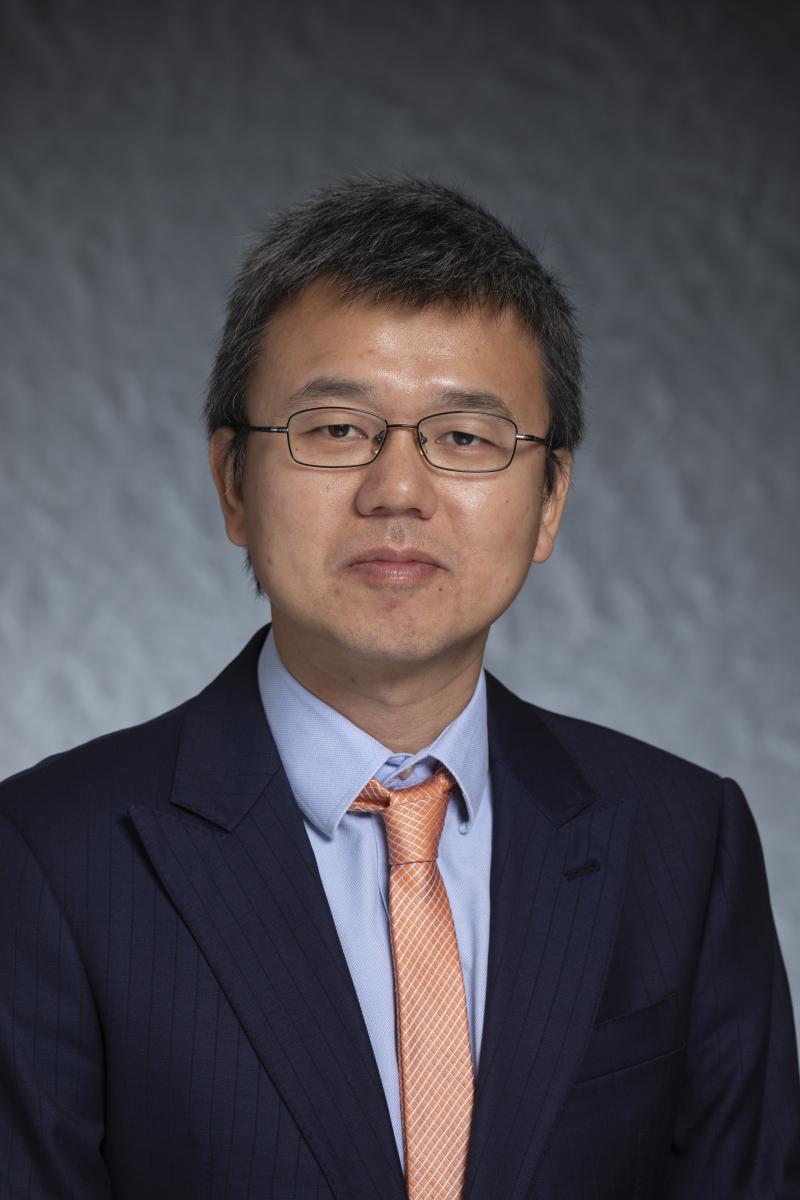
Rui Zhang received his PhD in Geophysics in 2010 from University of Houston. After graduation, Dr. Zhang worked as postdoc at the University of Texas at Austin and Lawrence Berkeley National Laboratory. Dr. Zhang joined UL Lafayette in 2014 as assistant professor with joint appointment between School of Geosciences (70%) and Department of Physics (30%) and was promoted to associate professor in 2020. Dr. Zhang’s research interests are focusing on geophysical applications on energy transition from fossil fuel to geothermal, CO2 sequestration and hydrogen storage, etc. Dr. Zhang has brought in multi-million external funding and published more than thirty peer-review journal papers.