
In spite of the heavy rain, many alumni joined us for an alumni donor appreciation crawfish boil on the afternoon of
Biologist featured in BBC article discussing algal blooms caused by pollution
Sun, 08/20/2023 - 9:55am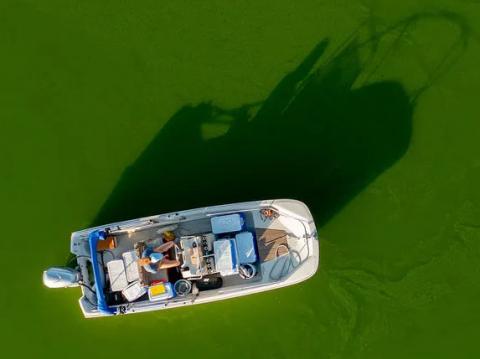
Top Stories
Students Sink Teeth into New Science Museum Exhibit
A new exhibit opening 1 May 2026 at the University of Louisiana at Lafayette Science Museum is putting student creat
(Image credit: David-McNew / Getty Images)
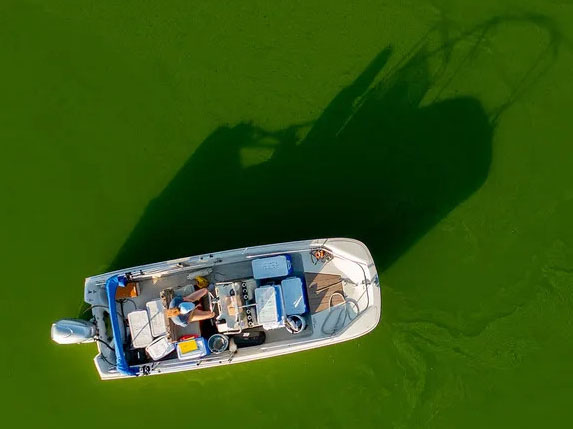
Dr. Beth Stauffer, of our Biology Department, is featured in the BBC Future article The pollution causing harmful algal blooms By Tim Smedley on 11 January 2023.
Here's a brief extract to whet your appetite. Rising temperatures and pollution have led to an explosive growth of harmful algal blooms, contaminating our drinking water and harming human health. It is the "smell of decay and death", says Beth Stauffer, from the University of Louisiana. "It has a physical presence. This layer of very striking greens and blueish greens…when you put your paddle in it, you can feel it." She's describing the harmful algal blooms (HABs) that used to be more associated with marine environments. But in recent years they've been moving further inland and affecting freshwater systems, too. And scientists such as Stauffer are trying to find out why.